How a Botnet Works
A botnet starts with infecting a device. Malware enters the system through a vulnerability, a phishing page, an infected application, or an email attachment.
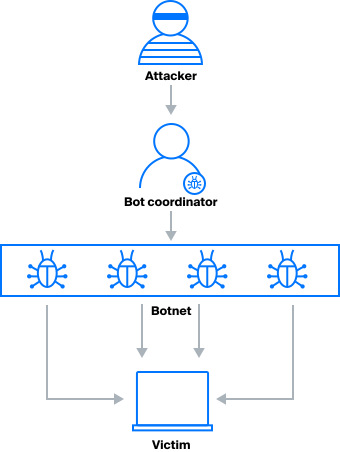
After installation, the device silently becomes a bot without the user’s knowledge and attempts to connect to the C&C (Command and Control) management infrastructure. Through it, the botmaster sends commands to the infected nodes.
A typical cycle looks like this:
- device infection;
- connection to C&C;
- receiving commands;
- executing the attack.
The more infected devices, the greater the botnet’s power and the harder it is to distinguish the attack from normal user traffic.
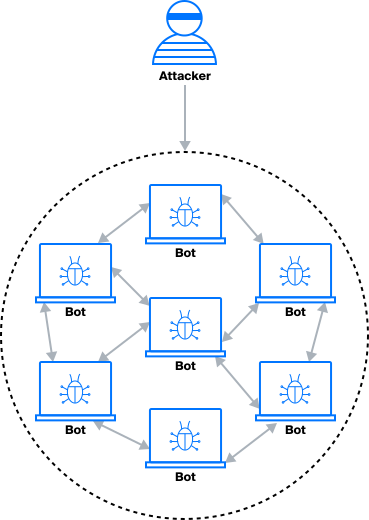
Not all botnets rely on a single management server. Some modern botnets use a P2P architecture. Infected devices exchange commands with each other, so disabling one node does not stop the entire network.
Types of Botnet Attacks
DDoS
The most common scenario — overloading servers with a large number of requests. Botnets are capable of taking down websites, online services, and operator infrastructure.
Spam and Phishing
Infected devices are used for mass mailing of emails with malicious links and attachments.
If infected subscriber devices begin sending spam, participating in DDoS attacks, or generating malicious traffic, the operator can restrict such activity using Mini-Firewall.
Data Theft
Botnets can transmit logins, passwords, banking information, and other confidential data to attackers.
Mining
Some botnets are used for covert cryptocurrency mining using the resources of infected devices.
How to Protect Against a Botnet
Regular OS updates, the use of antivirus software, network activity monitoring, and filtering of suspicious traffic help reduce the risk of infection.
In corporate infrastructure, IDS/IPS systems, network segmentation, and anomaly monitoring are additionally used.
How to detect botnet activity in an operator network, restrict malicious flows, and reduce the risk of IP address blocking is covered in a separate article.